
Quick Answer: Before choosing RV storage consider the size of your vehicle, the type of storage (outdoor, covered, or indoor), security features, access hours, location, and cost. Outdoor RV storage is usually the most affordable choice, while covered or indoor options offer more protection from weather. Visit the facility, ask about security and access, and prepare your RV properly before storing it.
An RV is a big investment, and where you keep it between trips matters. The wrong spot can mean sun damage, theft, pests, or an expensive surprise at the start of camping season. Whether you live in an area with strict parking rules or simply do not have room at home, the right storage solution protects your investment and saves you stress. Here is what every RV owner should know before choosing.
Why Store Your RV Off-Property? 
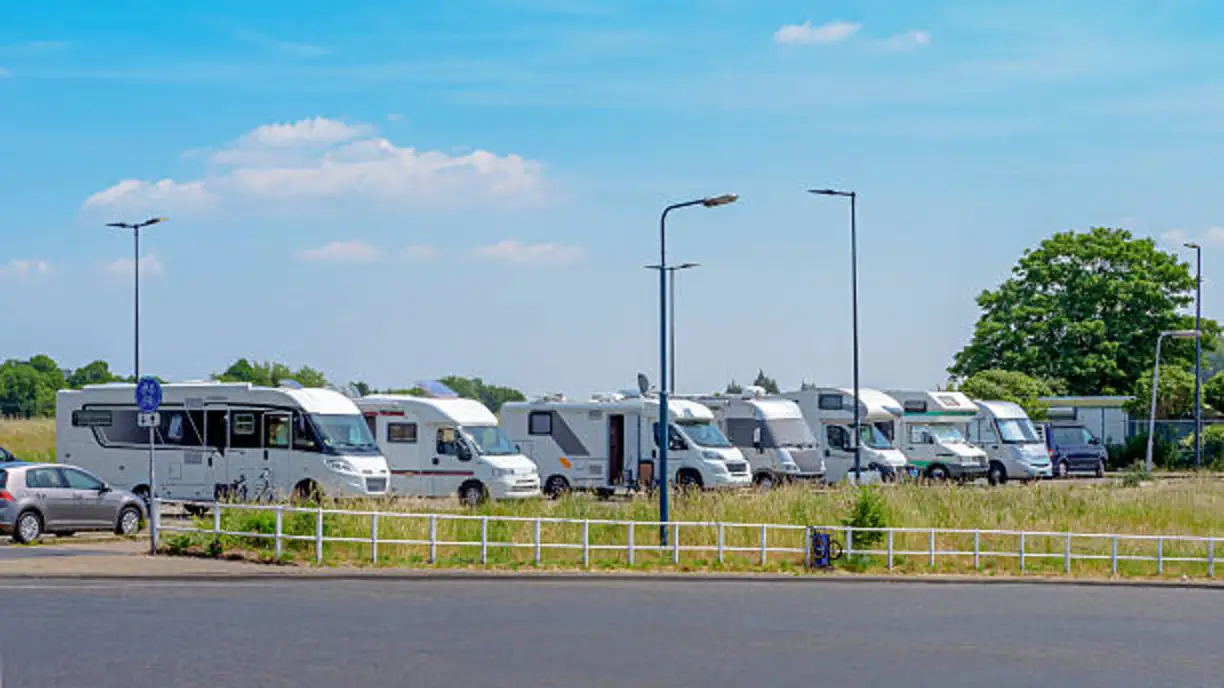
Many owners start by parking at home, but that is not always possible. Homeowners associations and city rules often limit RV parking, driveways may be too small, and keeping a large vehicle on the street can invite theft or damage. Using rv storage units or a dedicated parking space frees up your driveway, helps you follow local rules, and keeps your RV in a place built for large vehicles. It also puts your RV in a better position for easy pickup when you are ready to travel.
Your RV Storage Options
There are several rv storage options, and the best choice depends on your budget, climate, and how long you plan to store your RV.
| Type | What it is | Best for |
| Outdoor (uncovered) | Open parking space in a fenced or gated lot | Budget-conscious owners and shorter storage periods |
| Covered | Parking under a roof or canopy | Extra protection from sun, rain, and snow |
| Indoor or enclosed | Fully enclosed building or large unit | Maximum protection and long-term storage |
Indoor storage offers the most protection but usually costs the most and may be limited by vehicle height and length. Outdoor RV storage is the most common and affordable choice, especially when the facility has strong security and you prepare your RV well.
Measure Your RV Before You Search
Know your RV’s length, width, and height, including any items on the roof such as air conditioners or antennas. Include trailer tongues, ladders, and bike racks when measuring length. Ask the facility about maximum dimensions and how much room there is to maneuver. A wide, easy-to-navigate lot makes backing in and pulling out safer, especially if you are towing a trailer or driving a large motorhome.
Prioritise Security
Secure RV storage should be a top priority, since RVs are valuable and often contain equipment, appliances, and personal belongings. When touring a rv storage facility, look for:
- Gated entry with controlled access
- Video surveillance covering the lot
- Good lighting at night
- Fencing around the property
- A clean, well-maintained appearance, which often reflects active management
Also ask how the facility handles incidents and whether it recommends specific insurance. Remember to remove valuables, as no storage lot can guarantee zero risk.
Check Access Hours and Convenience
Think about how often you will visit your RV. If you take frequent weekend trips or need to load up quickly, 24/7 access can be very convenient. Drive-up access with wide driveways makes it easier to maneuver large vehicles, and a location close to home or your usual camping routes can save time. Ask whether gate access is available outside regular office hours and how you get in.
Think About Weather and Climate
In northern climates, winter storage brings extra challenges such as snow, ice, and freezing temperatures, while hot summers can fade paint and crack seals. Outdoor RV storage can work well with proper prep, such as a breathable, fitted cover and tire protection. If you want maximum protection or live in an area with extreme conditions, covered or indoor RV parking may be worth the additional cost. Do not use plastic tarps that trap moisture, as they can cause mold and damage.
Ask About Pricing and Contract Terms
Prices depend on location, space type, and RV size. Ask for the monthly rate, any deposits, administrative fees, and what happens if rates change. Find out if there are discounts for longer commitments, and read the contract for notice requirements and late fees. Facilities may also offer discounts for groups such as military members and veterans, so it is worth asking.
Look for Extras That Make Life Easier
Some facilities offer helpful conveniences, such as online rental and payment portals, electrical outlets in select spaces for battery maintenance, and clean, well-lit lots. These features save time and can make long-term storage simpler. Always confirm what is included in your specific space, since amenities can vary from unit to unit.
Visit in Person Before You Commit
Photos and listings only tell part of the story. Tour the property, check the condition of the lot and driveways, notice how other vehicles are stored, and speak with the staff. Ask about their policies, how they handle maintenance, and what you are expected to do on move-in day. A responsive, helpful team is a good sign you will be well taken care of.
How to Prepare Your RV for Storage
Good preparation prevents problems when you return. General steps include:
- Clean the interior and exterior and remove all food to prevent pests.
- Drain and winterize water systems if freezing is possible, following your owner’s manual.
- Protect the fuel system with a stabilizer if you will store the RV for a long period.
- Maintain the battery by disconnecting it or using a maintainer.
- Check tire pressure and consider covers to protect against sun exposure.
- Seal entry points where pests could get in, and open vents slightly if appropriate.
- Use a breathable cover designed for RVs.
Check your owner’s manual for model-specific guidance, since requirements differ.
Common Mistakes to Avoid
The most common mistakes include choosing based on price alone, skipping a site visit, forgetting to measure the RV, and not preparing the vehicle for storage. Others overlook contract details or fail to confirm access hours. A little research up front can save you from costly surprises later.
Getting Started
If you are in the Grand Forks, North Dakota area, A&J North Storage offers drive-up storage with gated entry and 24/7 access, 24/7 video surveillance, wide driveways, and uncovered parking for boats, RVs, and trailers. Electrical outlets are available in select units, and the facility has an online portal for rentals and payments. You can review the RV storage tips and size guide, then check availability through the online rentals page.
Frequently Asked Questions (FAQs)
What are the main types of RV storage?
The main options are outdoor uncovered parking, covered parking, and indoor or enclosed storage. Outdoor is typically the most affordable, while indoor offers the most protection.
Is outdoor RV storage safe?
It can be, especially at a facility with gated access, video surveillance, and good lighting. Remove valuables and prepare your RV properly for the season.
How do I protect my RV during winter storage?
Winterize the water system, stabilize fuel, maintain the battery, protect the tires, and use a breathable RV cover. Follow your owner’s manual for specifics.
How much does RV storage cost?
Costs vary by location, space type, and RV size. Ask for the monthly rate and any additional fees before signing.
What size space do I need for my RV?
Measure the total length, width, and height, including accessories, and ask the facility about its maximum dimensions and maneuvering space.
Find Secure Storage for Your RV
Protect your investment with a spot that fits your RV and your budget. Check availability and rent online or contact A&J North Storage with any questions.