
Most businesses outgrow their space before they outgrow their ambition. Files pile up. Seasonal inventory takes over the back room. Equipment that gets used twice a year sits in prime floor space that costs money every single month. The solution is not always a bigger office or a larger warehouse. For a growing number of companies, the answer is business storage.
Business storage units give companies a flexible, cost-effective way to handle overflow without committing to expensive commercial square footage. This guide covers what business storage solves, who uses it, what to look for in a facility, and why the right business storage units can make a real operational difference.
What Are Business Storage Solutions Really Doing?
First and foremost, there are issues of current requirements and constant expense. Leased office space and warehouses for commercial use are leased by square footage at a certain cost per square meter or foot. The actual needs of a business do not adhere to the same principle – they can vary widely and be very dynamic, depending on the situation.
Enter business self-storage: an affordable way to create flexible capacity. If you are leasing your office space, you are constantly tied to it regardless of whether you are using all of it at any particular moment. With self-storage, there is no such risk.
Who Actually Uses Business Storage Units
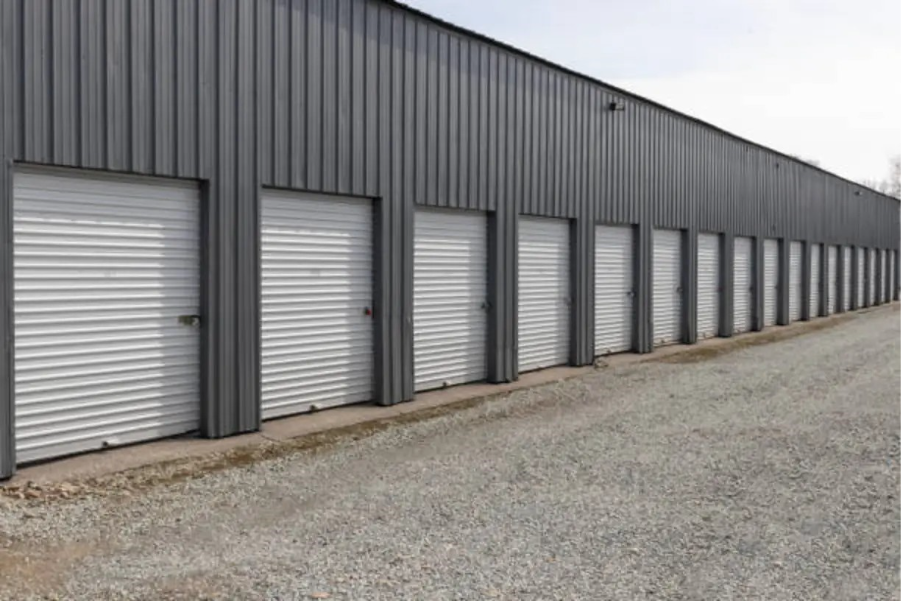
Business storage is not limited to one type of company or one size of operation. The use cases span industries and business models.
Retailers and E-Commerce Businesses
Seasonal inventory is one of the most common reasons retailers turn to business storage units. A retail operation that carries holiday merchandise, summer equipment, or any product category that spikes at certain times of year needs somewhere to keep that stock before it hits shelves. Storing it on-site year-round wastes space and money. Business storage provides a practical staging area that scales with inventory cycles.
E-commerce businesses face a similar challenge. Order volume fluctuates. Promotional campaigns require temporary stock buildup. Business self-storage gives online sellers a flexible overflow option without the overhead of a permanent warehouse lease.
Contractors and Trades Businesses
A contractor who carries tools, equipment, and materials across multiple job sites cannot always keep everything in a vehicle or on the job itself. Business storage units serve as a secure, central depot for equipment between jobs. The ability to access that storage early in the morning or after hours is often just as important as the space itself, which is why 24-hour access at business storage facilities matters for trades businesses specifically.
Professional Services and Offices
Law firms, accounting practices, medical offices, and similar businesses generate document volume that does not disappear once a file is closed. Compliance requirements, audit trails, and client records often must be retained for years. Keeping all of that on-site consumes office space that costs far more per square foot than a dedicated storage unit. Business storage for document archiving is a straightforward solution that keeps records secure and accessible without occupying prime office real estate.
Startups and Growing Companies
Early-stage companies often operate in smaller spaces than they will eventually need. Business self-storage lets a growing team handle overflow, store equipment, and manage inventory without having to upgrade their primary space before they are ready. It buys operational flexibility during a period when flexibility matters most.
Event and Marketing Companies
Companies that manage events, run trade show booths, or operate mobile marketing campaigns carry significant physical assets between activations. Displays, signage, furniture, branded materials, and equipment need to go somewhere between events. Business storage units provide a secure base for those assets without requiring a dedicated facility.
The Real Benefits of Business Storage
Cost Efficiency Compared to Commercial Space
Commercial real estate is expensive. Business storage units typically cost a fraction of comparable commercial square footage, without the long-term lease commitments that come with office or warehouse space. For companies that need additional space but are not ready to expand their primary location, business self-storage is often the most cost-effective option available.
Flexibility That Matches Business Reality
Companies grow, shrink, pivot, and change. Business storage that comes with flexible month-to-month terms lets a company scale its storage footprint in line with actual need rather than locking into a fixed commitment. That flexibility has real financial value, particularly for businesses navigating growth phases or seasonal fluctuations.
Keeps Primary Workspaces Functional
Overflow storage that ends up in an office, stockroom, or back area does not just waste space. It actively reduces the functionality of the space people are working in. Moving excess inventory, archived documents, or infrequently used equipment into dedicated business storage units keeps the primary workspace operational and professional.
Centralized Equipment and Asset Management
For businesses with multiple team members accessing shared equipment or materials, a centralized storage unit creates a consistent, organized point of access. Tools do not end up scattered across job sites. Inventory does not get tracked through multiple locations. A single, well-organized business storage unit simplifies asset management in ways that translate directly into saved time.
What to Look for in Business Storage Units
Access hours, security, and unit sizing are the three factors that most directly determine whether a business storage facility actually works for a company’s operations.
Access That Fits a Business Schedule
Businesses do not run exclusively between 9 and 5. Deliveries, early job starts, inventory pulls, and urgent situations all happen outside standard hours. Business storage units that offer 24-hour access remove a friction point that standard storage consistently creates. When evaluating a facility, confirm whether gate and unit access is available at all hours and on all days, including weekends and holidays.
Security Infrastructure That Protects Business Assets
Business assets stored off-site need to be genuinely secure. The right business storage facility offers individually coded gate access with a full entry and exit log, security cameras covering all areas of the property, motion-activated lighting throughout the facility, and active monitoring rather than just recorded footage reviewed after the fact. A business storing valuable equipment, inventory, or sensitive documents has more at stake than a personal storage customer. The security standards at the facility should reflect that.
Unit Sizes That Match Business Needs
Business storage requirements vary significantly depending on what is being stored. A small office archiving documents needs something very different from a contractor storing large equipment or a retailer managing seasonal inventory. A good business storage facility offers a range of unit sizes and can help match the right size to actual storage volume, rather than forcing a company into whatever happens to be available.
Climate Control for Sensitive Inventory
Electronics, documents, furniture, certain materials, and many product categories are sensitive to temperature and humidity fluctuations. Business storage units with climate control protect inventory and assets that standard storage would put at risk. For any company storing items with real value, confirming whether climate control is available and whether it covers the specific unit size needed is a practical step that prevents avoidable losses.
Reliable Facility Management
A storage facility that does not maintain its grounds, respond to access issues, or keep its systems functioning creates operational risk for businesses that depend on consistent access. When evaluating business self-storage options, ask how the facility handles access system outages, who to contact when issues arise outside of business hours, and how responsive management has been historically. Businesses integrating storage into their operations need a facility that operates with the same reliability they hold their other vendors to.
Common Misconceptions About Business Storage
It Is Only for Large Companies
Business storage is useful at essentially every scale. A solo contractor, a two-person e-commerce business, and a mid-size company preparing for a product launch all have legitimate storage needs that business storage units can address. The flexibility of monthly terms and varied unit sizes makes it accessible for small operations just as it is for larger ones.
It Is a Temporary Fix
Many businesses treat storage as a short-term solution and end up keeping it indefinitely because it works. Business self-storage is not inherently a stopgap. For companies that use it strategically, it is an ongoing operational tool that permanently improves how their space is managed.
On-Site Storage Is Always Better
Having everything on the premises seems convenient until the back room is full, the office is cluttered, and employees are navigating around boxes to get their work done. Business storage that is well-located, properly secured, and accessible at the hours a business operates can work better in practice than cramped on-site storage that reduces the functionality of primary workspaces.
Why the Right Business Storage Facility Makes the Difference
Business storage is widely available, but not all facilities are built to support business operations. The difference between a facility designed for personal use and one that genuinely serves business customers shows up in access hours, security infrastructure, unit availability, and the reliability of day-to-day operations.
Storage offers business storage units backed by 24-hour access, secured entry with a full log, comprehensive camera coverage, and a range of unit sizes built for business needs. Whether a company is archiving documents, managing inventory, storing equipment, or creating operational overflow space, the facility is built to support consistent business use, not just occasional personal visits.
If your business is working around storage constraints, the right solution is not more space inside your current location. It is the right external storage, managed by a facility that understands what business operations require.
Final Thought
Business storage is not a workaround. It is a practical operational decision that growing companies make when they recognize that their square footage should be used for the work that drives the business, not for inventory that could live elsewhere, equipment that sits idle for months, or documents that simply need to be retained and accessible.
The companies that use business self-storage effectively treat it as an extension of their operation, not a place to put things they do not want to deal with. When the facility is right and the access terms match business reality, storage becomes a straightforward tool that removes a genuine constraint.
Ready to give your business the space it needs? Business storage built around how companies operate.
Find Your Unit at Storage → Storagegf.com