
Quick Answer: The biggest boat storage mistakes usually come down to skipping proper cleaning and draining before storage, using inadequate cover protection, and choosing the wrong type of storage facility for the climate. These oversights often lead to mold, corrosion, engine damage, and cracked components that cost far more to repair than the time it would have taken to prepare the boat correctly. Learning these common mistakes ahead of time, and following a few simple boat storage tips, can save owners thousands in avoidable repairs.
Storing a boat the wrong way is one of the easiest ways to turn a simple off-season break into an expensive repair bill. Many of the most common problems boat owners face each spring trace back to a handful of avoidable mistakes made before storage even begins. Here’s a look at the issues that come up most often and how to avoid them.
Mistake 1: Skipping a Thorough Cleaning Before Storage
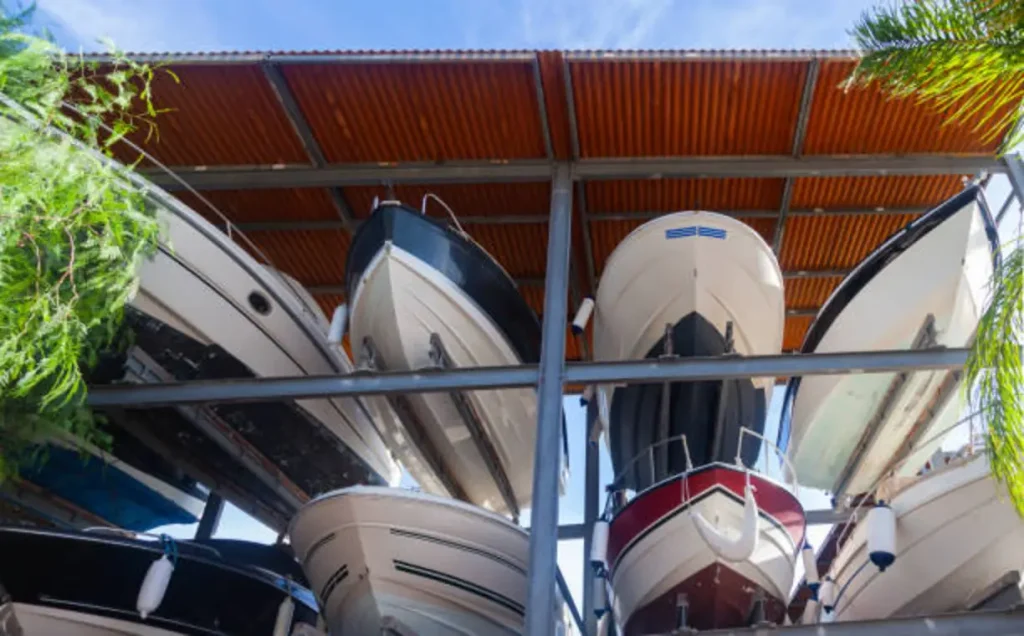
One of the most overlooked boat storage mistakes is storing a boat without cleaning it first. Leftover dirt, algae, and debris left on the hull or deck can cause staining, corrosion, and even structural damage over months of inactivity. Food residue or spilled drinks left inside the cabin can also attract pests looking for shelter during colder months. A full interior and exterior cleaning before storage isn’t just about appearance, it removes the organic material that leads to mold growth and pest problems down the line.
Mistake 2: Not Draining Water From All Systems
Water left in the engine, plumbing, or bilge is one of the most damaging mistakes an owner can make, especially in regions that see freezing temperatures. Water expands as it freezes, which can crack engine blocks, damage pipes, and ruin other components that are expensive to replace. Draining the engine, water systems, and bilge completely, and adding antifreeze where appropriate, is a critical step that should never be skipped, even if it adds extra time to the prep process.
Mistake 3: Using Inadequate Cover Protection
Many owners underestimate how much damage sun, rain, and debris can do to an uncovered or poorly covered boat over several months. Weak or ill-fitting boat cover protection allows moisture to collect, UV rays to fade and crack surfaces, and debris to accumulate in areas that are hard to clean later. A properly fitted, breathable cover protects against the elements while still allowing moisture to escape, rather than trapping it underneath and creating a different problem altogether. Skimping on cover quality to save money upfront often costs more in surface damage and mold remediation later.
Mistake 4: Neglecting the Battery
Leaving a boat’s battery connected and unattended during storage is a common oversight that leads to a dead or damaged battery by the time spring arrives. Batteries naturally lose charge over time, and in cold weather, a fully drained battery can freeze and become permanently damaged. Disconnecting the battery and storing it in a temperature-controlled space, or using a battery maintainer, prevents this entirely avoidable repair cost.
Mistake 5: Choosing the Wrong Storage Facility
Not every boat storage facility offers the same level of protection, and choosing based on price alone without considering climate and coverage type is a mistake that often shows up months later. Outdoor, uncovered storage leaves a boat fully exposed to weather and temperature swings, while covered or indoor options offer significantly better protection, particularly in regions with harsh winters. For boats stored long-term, the extra cost of a better-protected facility is often far less than the repair costs tied to sun damage, moisture intrusion, or freeze-related cracking.
Mistake 6: Forgetting Regular Check-Ins During Storage
Even a well-prepped boat benefits from occasional check-ins throughout the storage period. Skipping these visits means small issues, like a loose cover, a pest intrusion, or a slow leak, can go unnoticed and worsen significantly before anyone catches them. Periodic visual inspections help catch problems early, when they’re still minor and inexpensive to fix, rather than finding them for the first time when it’s time to use the boat again.
Essential Tips to Avoid These Mistakes
A few consistent boat storage tips can help owners avoid the most common and costly problems. Clean the boat thoroughly, inside and out, before storing it. Drain all water systems completely and add antifreeze where appropriate. Invest in a quality, properly fitted cover rather than the cheapest option available. Disconnect the battery or use a maintainer to prevent drain and freeze damage. Choose a facility suited to your climate, even if it costs a bit more than basic outdoor storage.
What to Check Before Taking the Boat Out of Storage
Before heading back out on the water, it’s worth reversing the prep process with a quick inspection. Check the battery and reconnect it once charged, flush antifreeze from engine and plumbing systems, inspect the cover and hull for any signs of damage from the storage period, and test all major systems before launching to catch any issues while still at the dock rather than on the water.
Frequently Asked Questions
What’s the most damaging storage mistake?
Leaving water in the engine or plumbing systems is among the most damaging, since freezing temperatures can crack components and lead to costly repairs.
Is a cover really necessary for indoor storage?
It’s still recommended, even indoors, since covers help protect against dust, minor moisture, and accidental scratches while the boat sits unused.
How often should I check on my boat during storage?
Periodic check-ins, ideally monthly, help catch small issues like pest intrusion or cover damage before they become bigger, more expensive problems.
Does the type of storage facility really make a difference?
Yes. Covered or indoor storage offers significantly better protection from weather and temperature swings compared to basic outdoor storage.
Should I disconnect my boat’s battery during storage?
Yes. Disconnecting the battery or using a maintainer prevents it from draining completely or freezing in cold weather, both of which can cause permanent damage.
About Storage GF
Storage GF offers a range of storage options, including covered and outdoor spaces, designed to help owners avoid the most common boat storage mistakes. The team can walk you through practical tips and cover protection recommendations to keep your boat protected until it’s time to get back on the water.
Protect Your Boat From Costly Storage Mistakes
Don’t let avoidable mistakes lead to expensive repairs. Contact Storage GF today to find the right storage option and make sure your boat is properly prepped before the off-season begins.