
Quick Answer: Before putting your RV into winter storage, run through a full RV maintenance checklist covering the engine, plumbing, battery, and exterior to prevent damage from freezing temperatures and months of inactivity. Proper rv storage combined with the right prep work protects your investment and helps avoid costly repairs, like burst pipes or a dead battery, when it’s time to hit the road again in spring.
Winterizing an RV properly is one of the most important things an owner can do before months of sitting idle. Skipping key maintenance steps before storage is one of the most common reasons owners face expensive repairs when they pull their RV out in the spring. This guide walks through what to do before storage and how to choose the right storage setup to protect your RV all winter long.
Why RV Maintenance Before Storage Matters
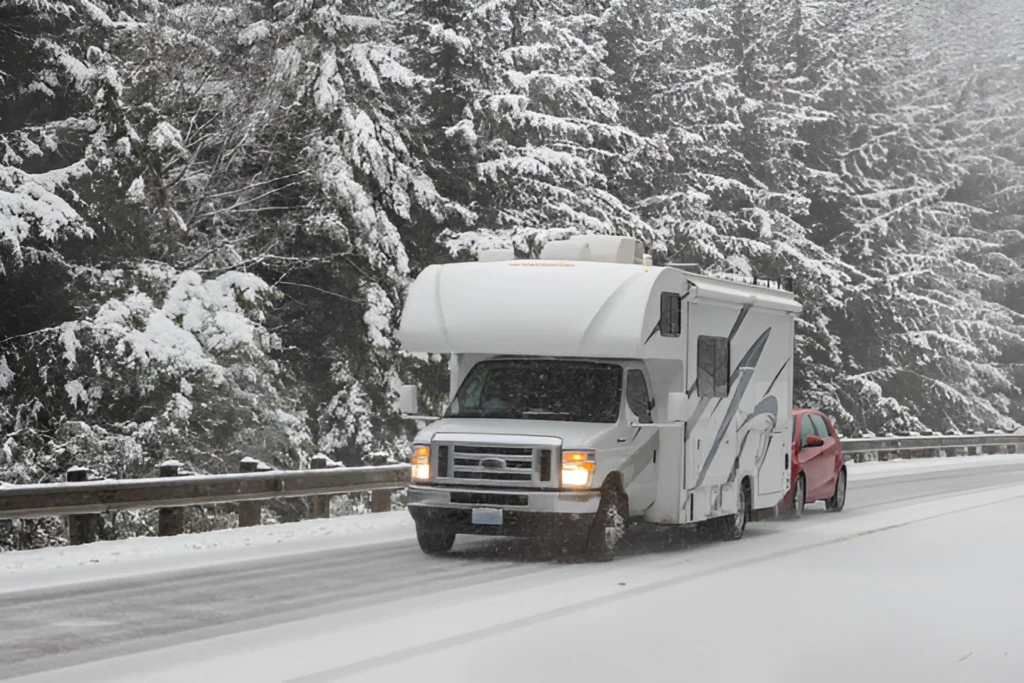
An RV left unprepared for months of rv storage faces a range of risks, from frozen and cracked pipes to battery failure and pest intrusion. Cold temperatures are especially hard on anything containing water, since water left in pipes, tanks, or the water heater can freeze, expand, and crack components that are expensive to replace. Taking the time for thorough RV maintenance before storage isn’t just about avoiding damage, it also means your RV is ready to use again without a long list of repairs once the weather warms up.
RV Maintenance Checklist Before Winter Storage
A proper RV maintenance checklist covers several key systems. Start with the plumbing system, draining the fresh water tank, gray and black water tanks, and the water heater completely, then running RV-specific antifreeze through the lines to protect against any remaining moisture freezing inside the pipes. Next, address the engine and chassis if your RV is motorized, changing the oil before storage since used oil can contain contaminants that cause more damage sitting idle than if it were fresh. Check tire pressure and consider tire covers to protect against UV damage and temperature-related pressure loss over the winter months.
The battery also needs attention, either disconnecting it and storing it in a temperature-controlled space or using a battery maintainer to keep it charged without overcharging during long-term storage. Finally, clean the interior thoroughly and remove all food items, since even small crumbs can attract pests looking for shelter during colder months.
Protecting the Exterior During Winter Storage
Exterior protection is just as important as what happens inside. Check the roof and seams for any cracks or gaps where moisture could get in, since a small leak can cause significant damage over months of exposure to snow and freezing temperatures. Covering the RV with a breathable, weather-resistant cover helps protect the exterior finish from UV damage and winter weather while still allowing moisture to escape rather than becoming trapped underneath. If your RV storage location doesn’t offer covered or indoor options, a quality cover becomes even more important for long-term protection.
Choosing the Right RV Storage Option
Not all rv storage options offer the same level of protection, and the right choice depends on your climate, budget, and how long the RV will sit unused. Indoor storage offers the most protection from temperature swings, moisture, and sun exposure, making it the best option for harsh winters, though it typically costs more than outdoor options. Covered storage offers a middle ground, protecting against precipitation and some sun damage while costing less than a fully enclosed unit. Outdoor storage is the most affordable option but requires extra attention to covers, tire protection, and regular check-ins to catch any issues early.
Long-Term RV Maintenance Habits Worth Building
Beyond winter prep, long-term RV maintenance benefits from a few consistent habits throughout the year. Checking on a stored RV periodically, even during winter, helps catch small issues like pest intrusion, a flat tire, or a loose cover before they become bigger problems. Keeping maintenance records organized makes it easier to track when fluids were changed, when the battery was last serviced, and when seals or seams were last inspected. Building these habits into a regular routine, rather than only thinking about maintenance right before a trip, extends the life of an RV significantly over the years.
Preparing Your RV for Spring After Winter Storage
When it’s time to bring an RV out of storage, a quick reverse checklist helps ensure everything is ready to go. Flush the antifreeze from the plumbing system and sanitize the fresh water tank before use, reconnect and test the battery, check tire pressure and inspect for any winter-related wear, and run through all major systems, including appliances and the water heater, before heading out on a trip. Catching any issues at this stage, rather than discovering them mid-trip, makes for a much smoother start to the season.
Frequently Asked Questions
What’s the most important step before putting an RV into winter storage?
Draining the plumbing system and adding RV antifreeze is one of the most critical steps, since frozen water can cause significant and costly damage.
Should I remove the battery before RV storage?
It’s recommended to either disconnect the battery or use a battery maintainer to prevent it from draining or being damaged by extreme cold.
Is indoor RV storage worth the extra cost?
For harsh winter climates, indoor storage offers the best protection from temperature swings and moisture, which can be worth the added cost for long-term RV health.
How often should I check on my RV during winter storage?
Periodic check-ins, even monthly, help catch issues like pests, flat tires, or cover damage early before they lead to bigger problems.
What should I do first when taking my RV out of storage in spring?
Flush the antifreeze, sanitize the water system, test the battery, and check tire pressure before using any major systems or heading out on a trip.
About Storage GF
Storage GF offers reliable rv storage options, including covered and outdoor spaces, to help owners protect their RV through the winter months. The team can guide you through seasonal RV maintenance needs and help you choose the right storage setup to keep your RV protected until it’s time to travel again.
Get Your RV Ready for Winter Storage
Don’t let winter catch your RV unprepared. Contact Storage GF today to find the right RV storage option and make sure your maintenance checklist is complete before the cold sets in.