
on layout, storage for warehouse needs, tech, and team flow that move the needle. Running a warehouse that feels chaotic 24/7 isn’t a personality trait, it’s a fixable problem. If your team is constantly retracing steps, hunting for misplaced pallets, or waiting on a forklift that’s stuck across the yard, you’re not slow, your system is. 2026 is shaping up to be the year warehouses either level up or get left behind, and the difference usually comes down to small, consistent changes rather than one giant overhaul.
Below are 30 tips to boost warehouse performance this year, from layout tweaks to tech upgrades to how you think about storage for warehouse operations overall.
Why You Need to Boost Warehouse Efficiency Right Now
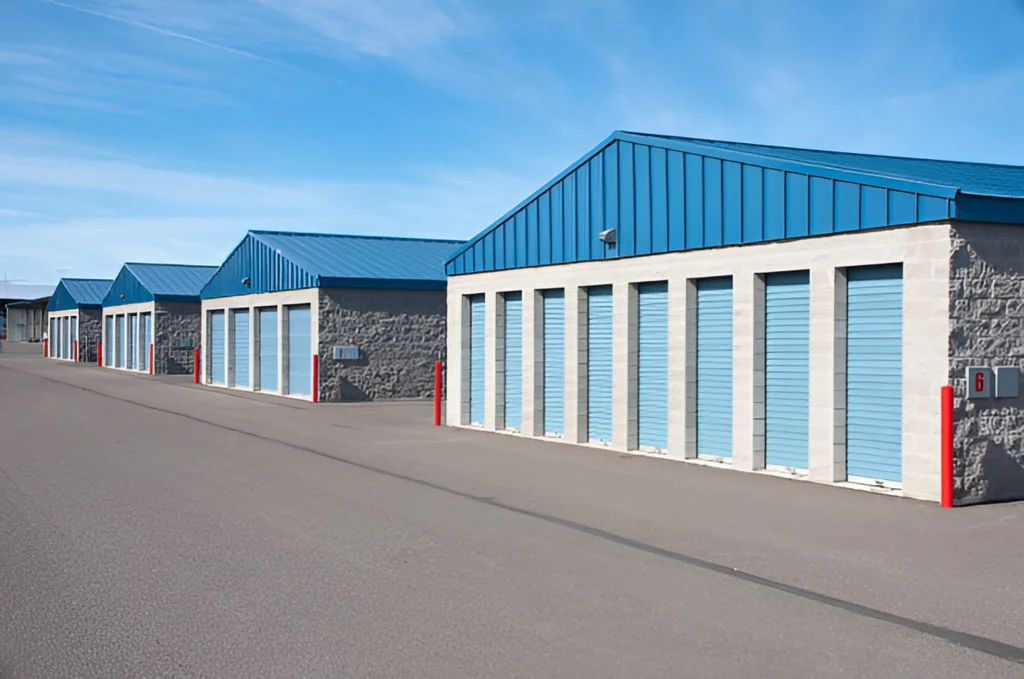
Labor costs keep climbing, customer expectations for fast delivery keep rising, and margins keep getting squeezed. Every minute a picker wastes walking to the wrong aisle is money leaving the building. Learning how to boost warehouse output isn’t optional anymore, it’s survival. The good news is most fixes don’t require a massive budget, just smarter decisions and better use of the space you already have.
Layout and Space Tips
- Map your fastest-moving SKUs and put them closest to the packing stations.
- Use vertical space instead of just floor space, since most warehouses waste their ceiling height.
- Keep main aisles wide enough for two-way forklift traffic to avoid daily bottlenecks.
- Label every shelf, bin, and rack clearly so nobody’s guessing.
- Group similar items together instead of scattering related SKUs across zones.
- Reassess your warehouse storage space every quarter as inventory shifts.
- Ditch dead stock regularly, it’s quietly eating your usable square footage.
- Create a dedicated returns zone so processed and unprocessed items never mix.
- Use color-coded floor markings for quick visual navigation.
- Keep emergency exits and fire equipment fully unblocked, always.
Storage and Inventory Tips
- Invest in proper warehouse storage units that match your product sizes instead of forcing everything into one shelf type.
- Try mezzanine storage if you’re tight on floor space but have ceiling height to spare.
- Rotate stock using a clear first-in-first-out system to avoid aging inventory.
- Use modular warehouse unit storage so your setup can flex as volume changes.
- Barcode or RFID tag everything, manual counts are a time sink and a headache.
- Do cycle counts weekly instead of one massive annual count that throws off operations.
- Keep a buffer stock zone for high-demand items so restocking doesn’t stall the floor.
- Separate hazardous or fragile items into their own clearly marked section.
- Reevaluate pallet racking height limits based on actual product weight, not guesswork.
- Consider offsite or overflow storage during peak seasons instead of overcrowding your main floor.
Tech and Automation Tips
Bring in a warehouse management system if you’re still tracking inventory on spreadsheets. Use handheld scanners to cut picking errors dramatically. Automate reorder points so nobody’s manually watching stock levels all day. Add motion-sensor lighting in less-trafficked zones to save on energy costs. Use conveyor systems for repetitive short-distance transport tasks.
Team and Process Tips
Crosstrain staff so one absence doesn’t stall an entire shift. Set clear daily targets so everyone knows what a good day looks like. Hold quick five-minute shift huddles to flag issues before they snowball. Reward efficiency wins publicly; small recognition goes a long way for morale. Ask your floor staff what’s slowing them down, they usually know before management does.
Making It Stick
The real secret to consistently boost warehouse performance isn’t a single fix, it’s stacking small improvements until they compound. A cleaner layout plus better tech plus a team that’s heard tends to outperform any one flashy upgrade on its own.
If your current setup feels maxed out, it might genuinely be time to rethink your warehouse storage space from scratch rather than squeezing more into the same footprint. Sometimes the fastest way to boost warehouse flow isn’t adding more shelving, it’s redesigning how everything connects.
Why Choose A&J North Storage for Warehouse Storage Solutions?
Efficient warehouse operations start with the right storage solutions. A&J North Storage offers secure, flexible, and reliable storage for warehouse needs, helping businesses maximize space, improve inventory organization, and manage seasonal or overflow inventory with confidence. Whether you need additional warehouse storage space or dependable warehouse storage units, A&J North Storage provides clean, well-maintained storage options designed to support your business as it grows.
Final Thoughts
2026 rewards warehouses that treat efficiency as an ongoing habit, not a one-time project. Whether it’s smarter racking, better warehouse storage units, cleaner data, or a team that feels genuinely supported, every tweak adds up. Start with a few tips from this list, track what changes, and keep iterating from there.
If you’re ready to rethink your space and need real storage for warehouse operations that fit your workflow, that’s exactly where a solid storage partner makes the difference. Look at what your warehouse could handle with the right setup behind it.
Frequently Asked Questions (FAQs)
How can I improve warehouse efficiency?
You can improve warehouse efficiency by optimizing your layout, using vertical storage, implementing a warehouse management system, organizing inventory, and regularly reviewing your workflow for bottlenecks.
What is the best storage solution for a warehouse?
The best storage for warehouse operations depends on your inventory size and business needs. Options such as pallet racking, modular shelving, mezzanine storage, and warehouse storage units can help maximize available space.
How do warehouse storage units improve productivity?
Warehouse storage units help organize inventory, reduce picking times, improve accessibility, and create a safer, more efficient work environment.
When should a business consider additional warehouse storage space?
Businesses should consider expanding their warehouse storage space when inventory begins to overcrowd existing facilities, seasonal demand increases, or operational efficiency starts to decline.
Why is warehouse organization important?
A well-organized warehouse improves inventory accuracy, reduces employee travel time, speeds up order fulfillment, minimizes errors, and helps lower overall operating costs.
Need More Warehouse Storage Space?
Optimize your operations with secure and flexible warehouse storage solutions. Contact A&J North Storage today to find the right storage option for your business.