
Every semester transition brings the same challenge for college students: what do you do with all your stuff? Whether you are moving out of a dorm at the end of the year, leaving Grand Forks for the summer, navigating a gap between apartment leases, or heading abroad for a semester, figuring out where to store your belongings is one of the most stressful parts of the college moving experience. Finding the right student storage solution can make the transition much easier and help you keep your belongings safe until the next semester begin
The good news is that students have more options than they often realize. This guide breaks down every realistic option for storing your belongings between semesters what works, what does not, and why a nearby storage unit is often the simplest and most affordable solution.
Why Between-Semester Storage Is Such a Common Challenge
College life involves more moves than most students anticipate when they first arrive on campus. Dorms close at the end of each academic year. Apartment leases end in late spring and restart in late summer, leaving a gap that does not always line up neatly with summer plans. Students studying abroad need somewhere to leave their belongings for months at a time. Students doing internships in other cities cannot take everything with them.
In every one of these situations, the same question comes up where do my things go?
Option 1: Take Everything Home
For students who live within a reasonable driving distance of Grand Forks, taking everything home at the end of the semester seems like the obvious solution. And for a small number of items laptops, important documents, things you will actually use over the summer going home is absolutely the right call.
The problem is that most students accumulate more than fits comfortably in a car. Furniture, kitchen appliances, bedding, clothing for every season, textbooks, and electronics add up quickly. Packing all of it, transporting it home, storing it somewhere in your parents’ house, and then repacking and bringing it all back again in August involves significant time, effort, and often real costs in gas, rental trucks, or airline baggage fees.
For students who live far from Grand Forks or who are heading to a completely different city or country for the summer taking everything home simply is not practical.
Option 2: Leave Things with Friends or Family in the Area
Some students arrange informal storage by leaving belongings with a friend who has a larger apartment, a roommate staying in Grand Forks over the summer, or a family member in the area. This can work well for a small number of items, but it comes with real limitations.
You are relying entirely on another person’s goodwill and available space. Your belongings may not be stored carefully. You lose easy access to your things when you need them. And if plans change if your friend moves, if the living situation shifts you could find yourself scrambling to retrieve belongings at an inconvenient time.
For a few boxes, this might be fine. For furniture, appliances, and anything valuable or fragile, informal storage arrangements carry more risk than most students realize.
Option 3: Keep Items in Your Apartment Over the Summer
If you are signing a lease that runs through the summer, your belongings can simply stay where they are. This is the easiest solution when it applies but it comes with a cost. Paying rent on an apartment you are not living in for two or three months adds up quickly, and many students find it is far more economical to let the lease end and find a new place in the fall.
For students in this situation where the lease ends in May or June and the new lease does not begin until late July or August a short-term storage unit bridges the gap without requiring you to pay full rent on an empty apartment.
Option 4: College Storage Units Near Campus The Most Practical Solution
For the majority of students, renting a college storage unit near campus is the most practical, affordable, and stress-free option for storing belongings between semesters. Here is why this approach works so well.
Your belongings stay in Grand Forks. Rather than hauling everything home and bringing it all back again, you move your items once into storage and pick them up again when you return in the fall. This is especially valuable for large or heavy items like furniture, mini-fridges, and appliances that are difficult and expensive to transport.
You only pay for the time you actually need. Most student storage options offer month-to-month rental terms, which means you are not locked into a long-term contract. You pay for the summer months and stop when you return.
Your belongings are secure and accessible. A reputable storage facility provides gated access, security monitoring, and clean, well-maintained units. If you need to access your belongings during the summer to grab something for an internship, retrieve a document, or drop off additional items you can do so on your own schedule.
It is often more affordable than alternatives. When you factor in the cost of renting a moving truck, paying for gas, airline baggage fees for shipping items home, or continuing to pay rent on an apartment just to store things, a nearby storage unit frequently costs less.
What Should Students Store Between Semesters?
Not everything needs to go into storage and being selective about what you store helps you choose the right unit size and keeps costs manageable.
Items that make the most sense to store:
- Furniture bed frames, desks, chairs, bookshelves
- Kitchen appliances mini-fridges, microwaves, coffee makers
- Seasonal clothing and bedding
- Textbooks and course materials you may need in future semesters
- Electronics and accessories you are not taking with you
- Apartment essentials dishes, cookware, linens, decorations
- Bicycles and sporting equipment
Items you should take with you:
- Laptop, tablet, and phone
- Important documents passport, financial paperwork, medical records
- Medications and personal care items you use daily
- Anything irreplaceable or of high sentimental value
- Items you will need regularly over the summer
How to Choose the Right Storage Unit Size
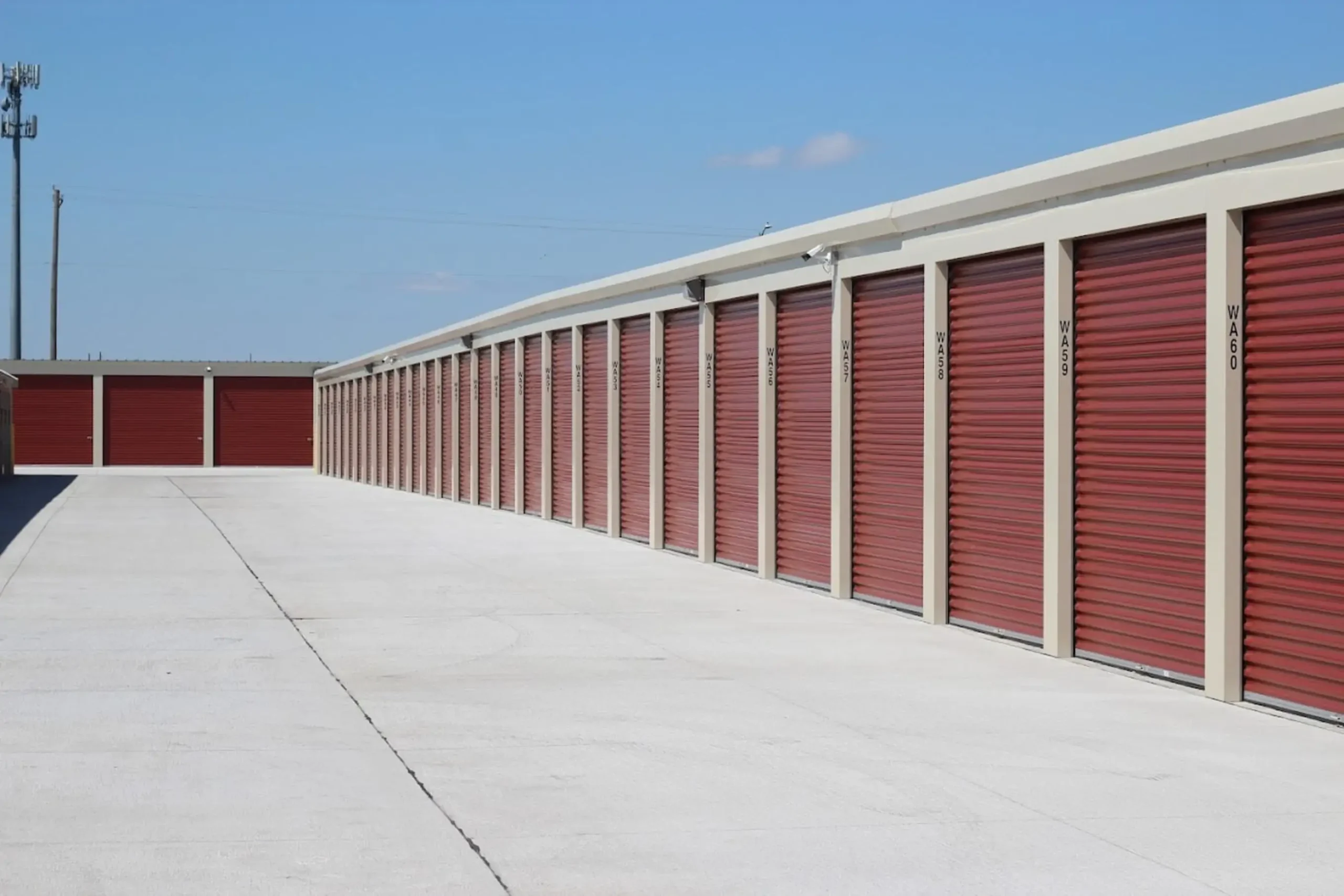
Choosing the right unit size avoids paying for space you do not need while making sure everything fits comfortably. Here is a general guide for student storage needs:
A 5×5 unit roughly the size of a large closet works well for students storing only boxes, a few bags, and small items without any furniture.
A 5×10 unit about the size of a small bedroom is a popular choice for students storing a modest amount of furniture such as a desk, small dresser, and boxes of personal items.
A 10×10 unit roughly half a standard garage accommodates the contents of a studio apartment or a fully furnished dorm room with room to spare.
A 10×15 or larger unit suitable for students storing the full contents of a one or two-bedroom apartment, including multiple pieces of furniture, appliances, and a large volume of boxes.
When in doubt, go slightly larger. Trying to cram belongings into a unit that is too small creates disorganization and makes accessing items during storage much harder.
Tips for Making Student Storage Easier
Start sorting before move-out week. Begin going through your belongings two to three weeks before your move-out date. Donate or discard items you no longer need so you are only paying to store what you will actually use again.
Pack smart. Use uniform box sizes where possible so they stack cleanly. Label every box clearly on the top and sides. Place items you might need to access during the summer near the front of the unit.
Disassemble large furniture. Taking apart bed frames, shelving units, and desks before moving them into storage makes the process easier and allows you to fit more into a smaller space.
Use your furniture wisely. Drawers and shelving inside your furniture can hold additional items during storage, making the most of the space you have rented.
Reserve early. Storage units near UND and in Grand Forks fill up quickly during peak move-out season in May and early June. Booking two to three weeks before your move-out date gives you the best selection of unit sizes and locations.
Sharing a Storage Unit With Roommates
One of the most effective ways students reduce storage costs is by sharing a unit with one or more roommates. If you and your roommates are all moving out at the same time and returning in the fall, splitting the cost of a single larger unit is almost always more economical than each person renting a separate smaller unit.
Sharing works best when everyone agrees on what goes in, how the unit is organized, and the access schedule. Keeping a shared inventory list helps avoid confusion when it comes time to move back out.
Between-Semester Storage vs. Apartment Lease Storage
Two of the most common situations that bring students to storage are the end-of-year move-out and the gap between apartment leases. While both involve storing belongings for a period of weeks or months, there are some differences worth understanding.
End-of-year or summer storage typically runs from May through August and involves storing most or all of a student’s belongings while they are away from Grand Forks entirely. This is the most common student storage scenario and typically requires a mid-size unit.
Apartment lease storage occurs when a student’s lease ends before a new one begins a gap that might be as short as two weeks or as long as two months depending on the timing. In this case, storage provides a bridge between housing arrangements without requiring the student to move everything home or pay rent on two places at once. For more on navigating this specific situation, visit our guide on Apartment Lease Storage.
What Does Student Storage Cost in Grand Forks?
Student storage costs in Grand Forks vary depending on unit size and rental length. Smaller units suitable for boxes and personal items are available at lower monthly rates, while larger units that accommodate full apartments cost more but remain far more affordable than many students expect especially when split between roommates.
To learn more about current pricing and what different unit sizes cost, visit our Student Storage Cost page.
Frequently Asked Questions
How far in advance should I reserve student storage in Grand Forks?
Reserving two to three weeks before your move-out date is strongly recommended. Storage units near UND fill up quickly during the peak move-out period in May and early June. Booking early gives you the best selection of unit sizes.
Can I access my storage unit during the summer?
Yes. A&J North Storage offers 24/7 gated access, which means you can retrieve or add items to your unit at any time, even during the summer months when you may only need occasional access.
Is it cheaper to share a storage unit with a roommate?
In most cases, yes. Sharing a larger unit and splitting the cost between two or three people is typically more economical than each person renting separate smaller units. It also simplifies the move-in and move-out process since everyone is working on the same timeline.
What if I am studying abroad and need storage for a full year?
A&J North Storage offers flexible rental terms with no long-term commitment required. Students studying abroad for a full academic year can rent on a month-to-month basis for however long they need.
Do I need to bring my own lock?
Most storage facilities require renters to provide their own padlock to secure their unit. This gives you full control over who has access to your belongings.
What size storage unit do most UND students need?
Students storing primarily boxes and personal items typically do well with a 5×5 or 5×10 unit. Students storing furniture and the full contents of a dorm room or studio apartment most rent a 5×10 or 10×10 unit. Students storing a full apartment’s worth of belongings may need a 10×10 or larger.
Between Semesters Does Not Have to Mean Between a Rock and a Hard Place
Moving out of a dorm or apartment at the end of a semester is stressful enough without adding the uncertainty of not knowing where your belongings are going. A storage unit near campus gives you a clear, simple answer move your things in, go enjoy your summer or internship or study abroad experience, and come back in the fall knowing exactly where everything is waiting for you.
Whether you are storing for two weeks between leases or four months over summer break, having a plan in place before move-out week makes the entire process faster, easier, and far less stressful.
Store Your Belongings Between Semesters at A&J North Storage
At A&J North Storage, we provide secure, affordable student storage solutions for UND students and Grand Forks residents throughout the year. Our facility at 1809 N 6th St offers clean, well-maintained units in a range of sizes, 24/7 gated access, and flexible month-to-month rental terms designed to work around the student calendar.
Whether you need a small unit for boxes or a larger space for a full apartment’s worth of belongings, we have a solution that fits your needs and your budget.
Visit our Student Storage page to learn more or contact us today to reserve your unit before move-out season fills up.
Final Thoughts
Between-semester storage is one of those challenges that every college student faces sooner or later. The students who handle it most smoothly are the ones who plan ahead, choose the right storage solution for their situation, and avoid the last-minute scramble that move-out week almost always brings.
Contact A&J North Storage today and let us take one big item off your end-of-semester to-do list.