
A vehicle improperly stored is a vehicle aging prematurely. The classic car stored improperly will grow rust on its chassis and corroded contacts. The boat kept outdoors throughout a winter will develop sun damage to the boat’s gel coat and moisture in its seating areas. The RV left in an unsuitable place will be returned either with its windows broken or its catalytic converter stripped.
There is no such thing as a commodity vehicle storage unit. The kind of storage used, the quality of the storage facility, and the storage environment all determine the condition of your vehicle after the storage period and how much effort and money you spend on repairs and maintaining it over the years. A vehicle properly stored requires minimal maintenance, retains its resale value and is ready to use at any time. Improperly stored, it requires costly pre-season preparation.
In this guide we explore the types of storage units used for parking and storing vehicles, including both boats and RVs. We explain the pros and cons of each option, the factors determining the differences in their price, and how to recognize an adequate facility for storing valuable property.
Why Vehicle Storage Is Far from Simple and Important Decision
The storage facilities closest to home at affordable prices are preferred choices of many vehicle owners. The long-term effects of choosing the wrong storage become obvious gradually and only once the vehicle leaves the storage facility and shows signs of damage to its exterior and interior. Understanding the effects of various storage options on your valuable vehicle is the key to choosing the best storage facility for your needs.
UV Exposure
Ultraviolet light harms all organic materials found in cars, boats, RVs, and other vehicles. It damages paint, gel coats, tires, seals, upholstery, and exterior surfaces over time. Sunlight is the primary source of ultraviolet radiation, and prolonged exposure accelerates this deterioration. The amount of UV exposure a vehicle receives directly affects the level of damage it experiences.
While UV radiation cannot be completely eliminated, its effects can be significantly reduced with the right storage for vehicles. High-quality covered vehicle storage and enclosed vehicle storage units help shield vehicles from direct sunlight and harmful UV rays. By reducing exposure, these storage options help preserve appearance, performance, and long-term value.
Vehicles kept in outdoor vehicle storage for multiple summers often accumulate UV damage that is costly to repair. Faded paint, cracked seals, deteriorated upholstery, and weakened exterior materials can all result from prolonged exposure. Choosing secure vehicle storage units or covered vehicle storage provides better protection and helps maintain the condition of your investment for years to come.
Moisture and Humidity
Water or moisture is the worst enemy for any stored vehicle. Moisture causes rusting of metal parts, corrosion in connections and terminals, molding and mildew of seats and carpets, destruction of rubber parts and condensation on electronic parts which is destructive. Any vehicle which is stored in areas where there is high humidity or humidity cycling is exposed to damage from water.
Temperature Extremes
Extreme cold will impact batteries, fluids and tires differently than moderate temperatures do. Extremely high temperatures speed up the decomposition of rubber and fluids. Exposure to temperature extremes will cause thermal expansion and contraction in seals, gaskets and even structural parts of the vehicle which cannot be caused by a steady storage temperature.
Pests
Any pests such as rodents and bugs which make their way to the inside of a vehicle cause damage that is far greater than their size would indicate. Rodents will take residence in your seats, destroy wiring and contaminate your interior in ways that are difficult and costly to fix. Rodent damage can result in several thousand dollars of repairs for your car. Properly enclosed and managed vehicle storage units will ensure that your car does not attract pests.
Types of Vehicle Storage: What Each One Does for You
Outdoor Vehicle Storage
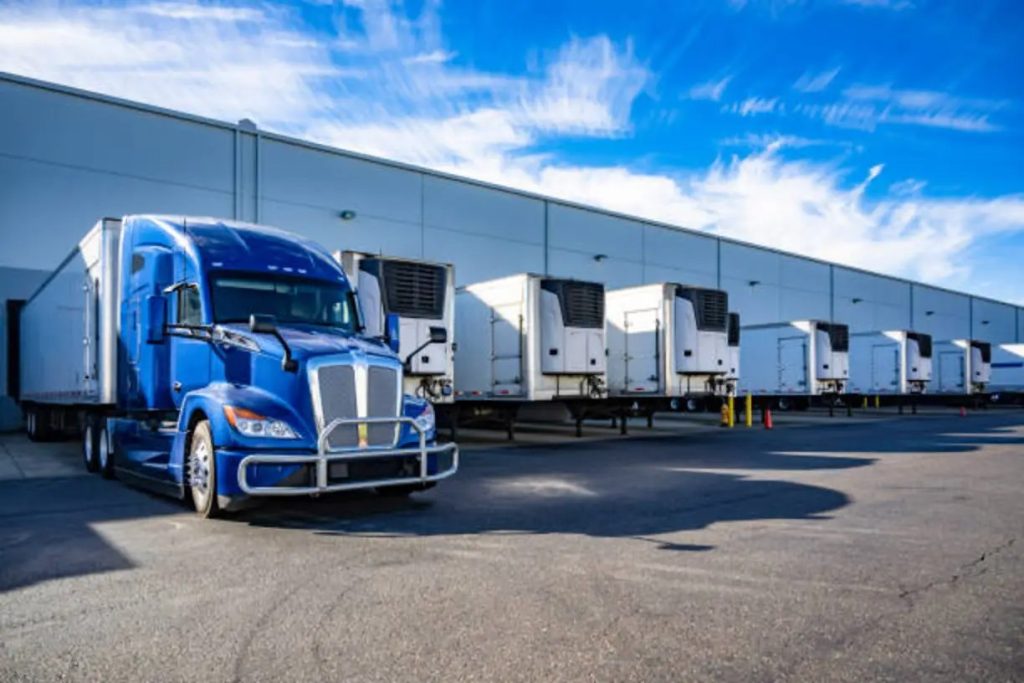
This image represents vehicle storage solutions for cars, boats, RVs, and other recreational vehicles requiring short-term or long-term protection. It highlights covered storage, enclosed storage units, climate-controlled options, security features, UV protection, moisture control, and best practices for preserving vehicle condition, performance, and resale value during storage.
Outdoor Vehicle Storage
Outdoor vehicle storage is the most affordable and widely available option for storing a vehicle. In this setup, your vehicle is parked in a designated space within a fenced lot that does not provide overhead protection. Most facilities offer gated access through a coded entry system, and some provide 24/7 access for added convenience.
However, storing a vehicle outdoors means exposing it to the elements year-round. UV rays, rain, snow, temperature fluctuations, and humidity can all affect the vehicle’s condition over time. Outdoor vehicle storage is often best suited for short-term use or regions with relatively mild weather conditions.
While outdoor storage offers cost savings, prolonged exposure to harsh sunlight, severe winters, or high humidity can lead to increased maintenance costs and faster wear on vehicle components.
Vehicle covers provide an added layer of protection by shielding vehicles from UV rays, rain, and debris. However, covers require regular inspection and maintenance, as trapped moisture can sometimes create additional issues. Although a quality cover improves protection, it does not provide the same level of security as covered or enclosed storage for vehicles.
Covered Vehicle Storage
Covered vehicle storage offers a balance between affordability and protection. These structures use overhead canopies or carports to shield vehicles from direct sunlight and precipitation while allowing airflow through the open sides.
For many vehicle owners, covered vehicle storage provides sufficient protection against UV exposure and weather-related damage without the higher cost of enclosed storage. It is particularly beneficial for boats, as it helps preserve gel coats and exterior finishes that can deteriorate when exposed to direct sunlight for extended periods.
Enclosed Vehicle Storage
Indoor vehicle storage units provide the highest level of protection. These units fully enclose the vehicle, shielding it from weather, pests, UV exposure, and temperature fluctuations. As a result, they are often the preferred choice for long-term storage and high-value vehicles.
Climate-controlled vehicle storage units add another layer of protection by maintaining stable temperature and humidity levels. This helps protect classic cars, collector vehicles, boats, and RVs from issues such as corrosion, fluid degradation, mold growth, and material deterioration.
For RV owners, enclosed storage can help extend the life of roof membranes, window seals, and slide-out components. While enclosed storage costs more than outdoor or covered options, the added protection often helps reduce maintenance expenses and preserve long-term value.
Car Storage What are the Specific Car Storage Requirements?
Depending on your case, long-term vehicle storage facilities will need to consider several important factors to ensure safe vehicle storage.
Classic Cars/Collector Cars
Collector and classic cars are obviously the type of vehicles that require highest attention when it comes to long-term storage. These vehicles represent the category where the condition directly affects the monetary value and vice versa. The deterioration in condition caused by the improper storage procedure means decreased value and vice versa.
temperatures accelerate. The controlled humidity prevents the condensation that causes rust on steel components and corrosion on chrome. The sealed environment prevents the pest access that can cause catastrophic damage to valuable interiors and wiring.
Pre-storage preparations required for extended car storage include changing all fluids, adding fuel stabilizers to a full tank, connecting battery tenders or removing batteries, inflating tires to storage pressure, and doing extensive cleanings and waxing, which remove contaminants from the paint surfaces to keep them clean until they come off storage. Facilities specializing in storage for vehicles that provide such services as part of their services add considerable value to their collectors’ vehicle storage services.
Extended Storage of Daily Driver
The storage of daily drivers requires less rigorous preparation than that of collector’s cars but still offers far greater protection than the outdoor option over three to six months of more storage period. Mechanical systems in modern cars can withstand extended periods of storage provided the proper preparations are made for such tasks, including fuel stabilizers, battery tender connection or removal, maintaining the correct air pressure in the tires, but paint, interior surfaces, and trim components deteriorate when exposed to direct sunlight for such a long period.
Covered vehicle storage with a covered roof is a great solution in balancing between protecting the vehicle and reducing costs in many daily driver cases. Covered roofs protect from the effects of direct UV radiation, while the open sides ensure proper air flow, reducing storage costs compared to enclosed vehicle storage.
Boat Storage: Unique Characteristics
The unique characteristics of the construction, materials used in their construction, the environment where they are kept, and seasonal usage make boat storage quite different from other modes of transport. Boats spend more time in storage than in operation, making the conditions of the storage facility quite important in terms of boat ownership cost.
Seasonal Boat Storage Requirements
Boat storage during winter months in cold climates requires several important preparations, including winterizing the boat. This process involves draining water tanks, flushing the engine system, fogging engine cylinders, winterizing the bilge, and protecting upholstery and electronic components. To maintain these preparations, boats should be stored in vehicle storage units that provide a dry, secure environment. Choosing the right vehicle storage units helps prevent moisture damage, vandalism, and exposure to harsh weather conditions throughout the storage period.
Covered vehicle storage units are the minimum recommendation for most boats. Covered roofs help protect boats from UV exposure, which can cause gel coat deterioration and exterior damage over time. They also offer added protection for boats with electronic systems, upholstered interiors, and fiberglass components.
Boats that contain sensitive electronics, extensive upholstery, or construction materials vulnerable to freeze-thaw cycles benefit most from enclosed vehicle storage units with humidity control. These storage solutions help preserve the boat’s condition, reduce maintenance costs, and extend its lifespan during long-term storage.
In-Water versus Out of Water Storage
A boat may be kept in water, either at a slip or a mooring, or out of water. While in water, the boat is ready to launch but it will be exposed to marine growth and the need for wet storage maintenance as well as electrolysis. If it is out of water and parked in vehicle storage units, the hull is protected from marine growth, allows for regular hull inspection and maintenance, and is also less costly in the long run compared to slip rental rates.
When choosing between in-water or out-of-water boat storage, consideration should be given to the usage rate of the vessel, the availability of slips, storage cost comparisons, and boat hull construction. For example, fiberglass boats are better suited for out-of-water storage. However, wooden vessels require extra attention regarding moisture considerations when storing out of water.
Trailer Boat Storage
In trailer storage, the required dimensions of storage units have to take into account not just the length of the boat but also the overall length of the trailer. This will often mean that the storage unit has more capacity than just the waterline length of the boat alone. Trailer storage units are designed for boat and trailer combinations taking into account their overall dimensions and requiring wider access lanes.
RV Storage The Unique Challenges
Like boats and oversized vehicles, an RV is difficult to store due to its size and the added difficulty due to being outfitted like a small house. Storage issues in the case of an RV will include accommodating the additional weight, plumbing, appliances, and electricity.
Size and Turning Radius Considerations
There are different types of RVs with varied length, height, and turning radiuses. These three dimensions will primarily dictate the suitability of storage units for a particular RV. For instance, an RV that exceeds in height what a storage facility can accommodate, whose turning radius is larger than the drive lane dimensions, or the unit is smaller in length than the RV are not ideal even if they satisfy other criteria.
Before visiting storage, facilities and evaluating their suitability for RV storage, first measure your vehicle’s length, height, and width, taking into account any slides or roof-top additions. This step will ensure that you do not waste time looking at non-functional options.
the frustration associated with finding out that a seemingly viable parking place will not fit a particular car.
Protection of Roof Membrane and Exterior Seals
The roof membrane of an RV, the protective layer that prevents water from damaging the vehicle’s internal structure, deteriorates much faster when exposed to direct sunlight and harsh weather conditions. RVs stored in outdoor vehicle storage often experience accelerated roof wear compared to those kept in covered vehicle storage or enclosed vehicle storage units. A roof membrane that may last ten to fifteen years in protected storage can degrade within five to seven years due to prolonged UV exposure.
Replacing an RV roof membrane can cost between $3,000 and $8,000, depending on the size of the vehicle. This significant expense highlights the importance of choosing the right storage for vehicles. By using vehicle storage units that provide protection from sunlight, rain, and temperature extremes, RV owners can extend the life of roof components, reduce maintenance costs, and better preserve the overall value of their vehicle.
Maintenance of Batteries
Without a charge coming from a charger, the batteries in an RV deteriorate while in storage mode, potentially leading to their failure and replacement that could have been avoided with a charge provided via a battery tender. Electrical connections are available in storage for vehicles facilities, allowing the RV’s owner to use a battery tender, and, if applicable, maintain the climate control system that prevents damage to furniture made of leather or wood due to humidity cycles.
Maintenance of Slide-Out Seals
Slide-out seals of an RV are made from rubber that dries up when exposed to sunrays and becomes susceptible to degradation under the influence of UV radiation. Slide-out seals should be well-maintained since they prevent water from entering the cabin and causing damage to the walls, floor, and developing mold spores. Therefore, storing an RV in a covered storage building is much more beneficial for extending the life of rubber seals compared to storing it outdoors.
Security: Special Concerns of Vehicle Storage That Regular Storage Cannot Address
The absence of constant monitoring of the premises where a vehicle stays in storage mode can make it vulnerable to several specific forms of vandalism.
Catalytic Converter Theft
Thieves often choose to steal a catalytic converter from a stationary vehicle due to high market prices for their content and quick completion of such a task. Vehicles that
are stationary and unmonitored for extended periods are particularly vulnerable. Security lighting, camera coverage with adequate resolution to capture license plate information, and active monitoring that detects unusual activity during off-hours are the security features that deter catalytic converter theft in vehicle storage units.
Break-In and Vandalism
The risk of theft of the valuable parts of a vehicle stored in facilities without sufficient perimeter security, lighting, or coverage can result in the damage to the vehicle’s door locks, windows, and interior, regardless of any valuable items left inside. Deterrence that results from the comprehensive security infrastructure, such as the cameras covering the whole storage premises, lighting eliminating any dark spots, and perimeter fencing along with the gate access restricting facility access only to the authorized parties, is the most affordable insurance against the vandalism of the facility’s contents.
Gate Access and Audit Trail
With coded gate access and automatic creation of time-stamped logs each time someone enters or exits the facility, one can be sure that the risk of theft will be substantially reduced. In case of any damage being caused to the facility’s content, the logs would narrow down the timeframe and the list of individuals having entered and exited the facility, thus providing an invaluable tool in establishing responsibility. Facility managers of storage for vehicles facilities capable of providing the logs of their clients’ entrances and exits clearly understand how to operate their security infrastructure.
Why StorageGF Delivers the Right Vehicle Storage Solution
Locating vehicle storage units for a particular car, boat, or RV when trying to select a suitable vehicle storage solution, taking into account not only the price but also the specifics of the protection required, requires some effort, which few owners are ready to expend, particularly when in hurry. StorageGF makes this process much easier for its clients by offering them a range of storage facilities along with unbiased information about which one suits best based on the vehicle type, the storage duration, and other factors.
Whichever vehicle storage facility is chosen covered, outdoor, or indoor, it is guaranteed that the client receives not only reliable protection but also transparent pricing reflecting the true cost of using the facility. Furthermore, StorageGF’s clients have a wide range of facilities featuring various access features according to the usage scenario chosen by the owner, whether it involves seasonal access to a facility or the vehicle being stored for several months or years. For those having already had bad experience, StorageGF is the place to start.
worth finding before making a storage decision that the condition of the vehicle at retrieval reveals was the wrong one.
Final Thought
The decision about the storage place should be made equally carefully to that made when purchasing the vehicle. The automobile, boat, or RV is an expensive purchase and, in many cases, an expensive personal experience with respect to the satisfaction and pleasure received with the vehicle usage. The storage conditions under which the vehicle will be kept when not in use significantly influence its durability, maintenance costs, and the overall useful life of the car or the boat or RV itself.
Outdoor vehicle storage works well for tough cars/boats/RVs stored for shorter periods of time by the owners who protect the vehicle properly using high-quality coverings before storing it outside. Covered vehicle storage facilities work perfectly for most types of vehicles and their owners, excluding those most harmful elements and factors from the equation of storage process while avoiding the expenses associated with storing vehicles completely enclosed in garage-like spaces. Enclosed vehicle storage units equipped with temperature and humidity control devices offer perfect solution for collectible automobiles, luxurious cars, boats, and RVs, or simply the most valuable one requiring more protection.
Storage for vehicles that protects your investment starts with choosing the right environment. The ideal storage solution depends on the specific needs of the vehicle, the expected storage duration, local climate conditions, and the level of security required.
Choose storage for your vehicle → storagegf